Local Ecotype
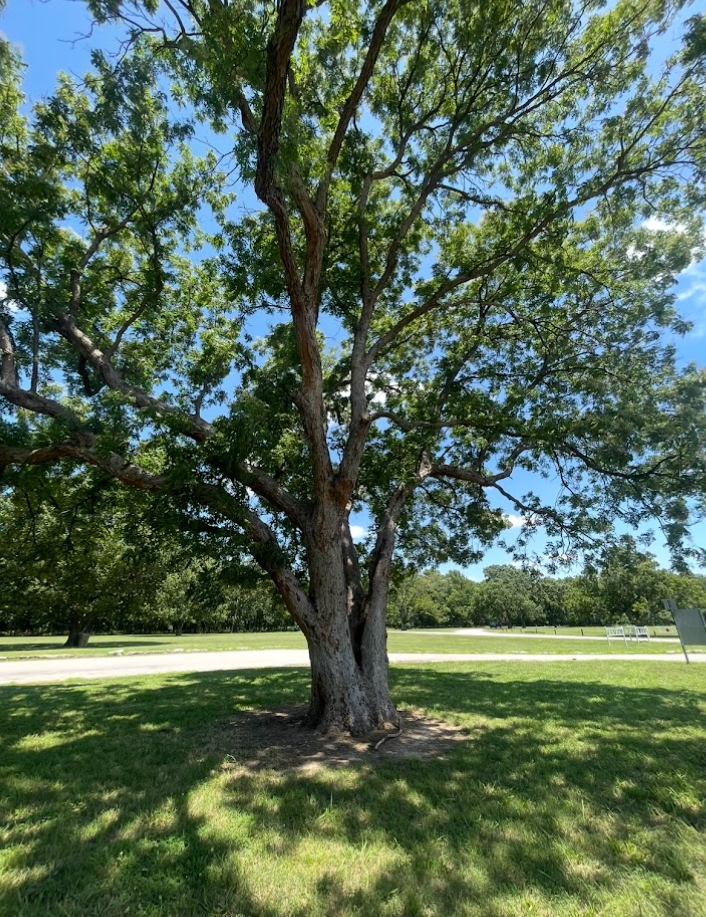
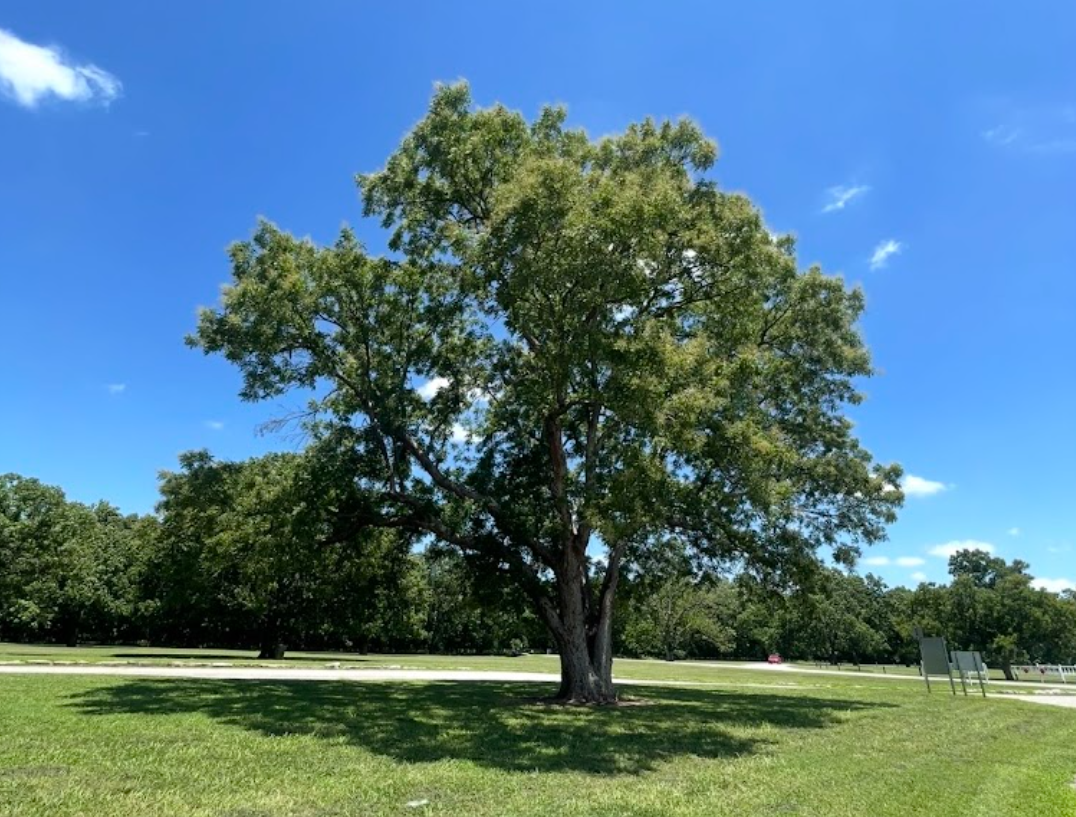
Small tree, 10-40’
Full to part sun
Medium to dry soil
Blooms in late spring
The Soapberry is named for its clusters of translucent yellow fruit that contain natural saponin compounds. When rubbed with water, they create a rich foamy lather that can be used as a soap substitute, and were used as such by indigenous peoples and early settlers. These yellow fruit often remain on the tree well into the winter, creating eye-catching appeal in bare seasons. The hard round seeds can be used to make beads. The foliage is the only host for the Soapberry Hairstreak.
Soapberries are small to medium trees, around 30-50 feet, and are somewhat slow growing. They bare fruit early, often after reaching 6-8 feet. They do well in mesic to dry sites, with full or part sun. They look very appealing planted in small groves, which mimics their frequent natural growth pattern. Fall foliage is a golden yellow color.
Local Ecotype
Small tree, 10-40’
Full to part sun
Medium to dry soil
Blooms in late spring
The Soapberry is named for its clusters of translucent yellow fruit that contain natural saponin compounds. When rubbed with water, they create a rich foamy lather that can be used as a soap substitute, and were used as such by indigenous peoples and early settlers. These yellow fruit often remain on the tree well into the winter, creating eye-catching appeal in bare seasons. The hard round seeds can be used to make beads. The foliage is the only host for the Soapberry Hairstreak.
Soapberries are small to medium trees, around 30-50 feet, and are somewhat slow growing. They bare fruit early, often after reaching 6-8 feet. They do well in mesic to dry sites, with full or part sun. They look very appealing planted in small groves, which mimics their frequent natural growth pattern. Fall foliage is a golden yellow color.