Local Ecotype
Perennial
Full sun to part shade
Moist to medium soil
2’ leaf blades with tall seed heads
Blooms in early fall
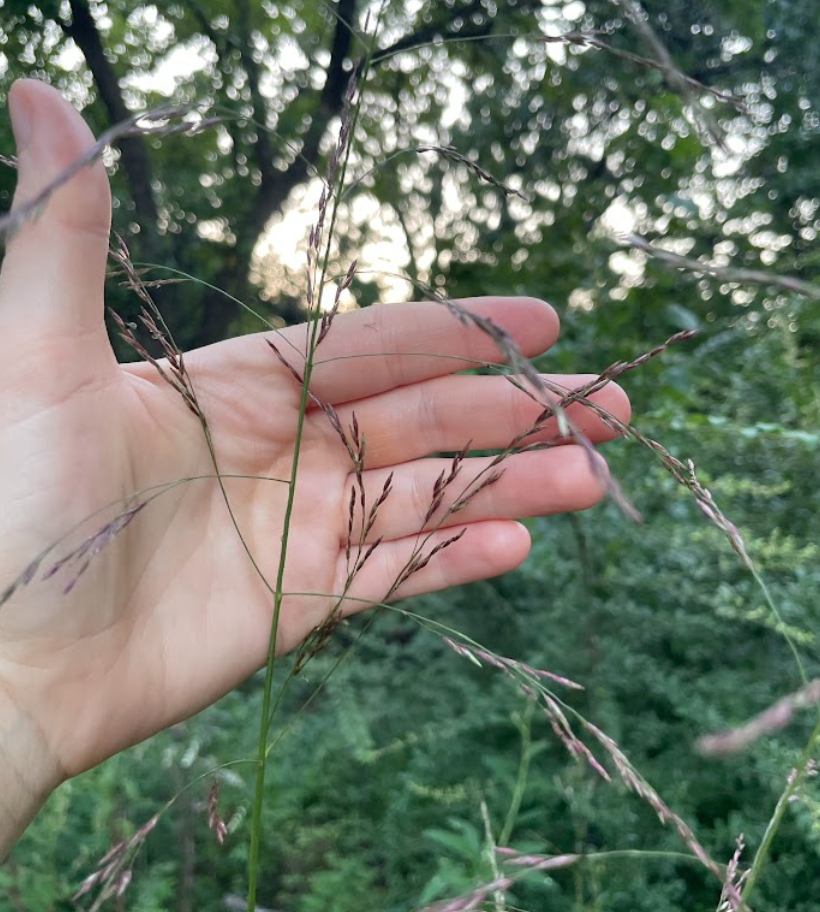
In early autumn, Purpletop graces roadsides and wooded edges with its delicate, arching purple seedheads. This bunchgrass is relatively understated while not in flower, but provides wildlife value all year. Several skippers as well as the Common Wood Nymph use Purpletop as a host plant, the seeds are eaten by various birds and mammals in winter, and its clumping, colony forming habit provides useful cover. Its blooms look stunning when planted en masse, an effect easily achieved by this grass’s tendency to self seed and form large colonies. This grass is a useful forage plant for grazers, and its relatively low growth can withstand occasional mowings. The Lakota name for this plant translates to “grease grass,” referring to the slick feel of tiny oil glands on the plant’s flowering parts.
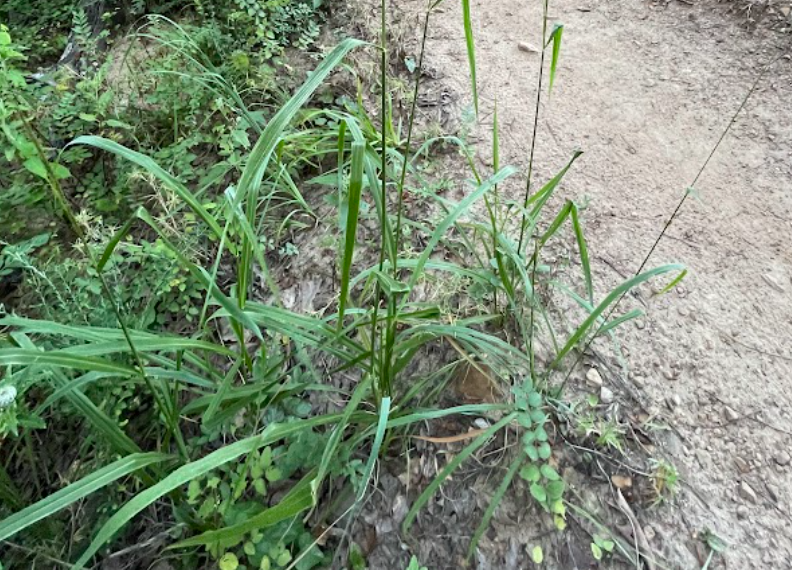
Purpletop is found in open and forested habitats alike, tolerating everything except deep shade. It is quite drought proof in all but the poorest of soils. The seed heads may reach 2-5 feet in flower, but the vegetative growth generally stays under 18”.
Local Ecotype
Perennial
Full sun to part shade
Moist to medium soil
2’ leaf blades with tall seed heads
Blooms in early fall
In early autumn, Purpletop graces roadsides and wooded edges with its delicate, arching purple seedheads. This bunchgrass is relatively understated while not in flower, but provides wildlife value all year. Several skippers as well as the Common Wood Nymph use Purpletop as a host plant, the seeds are eaten by various birds and mammals in winter, and its clumping, colony forming habit provides useful cover. Its blooms look stunning when planted en masse, an effect easily achieved by this grass’s tendency to self seed and form large colonies. This grass is a useful forage plant for grazers, and its relatively low growth can withstand occasional mowings. The Lakota name for this plant translates to “grease grass,” referring to the slick feel of tiny oil glands on the plant’s flowering parts.
Purpletop is found in open and forested habitats alike, tolerating everything except deep shade. It is quite drought proof in all but the poorest of soils. The seed heads may reach 2-5 feet in flower, but the vegetative growth generally stays under 18”.