Local Ecotype
Perennial
Full sun to part shade
Moist to medium
6-18” tall
Blooms in spring
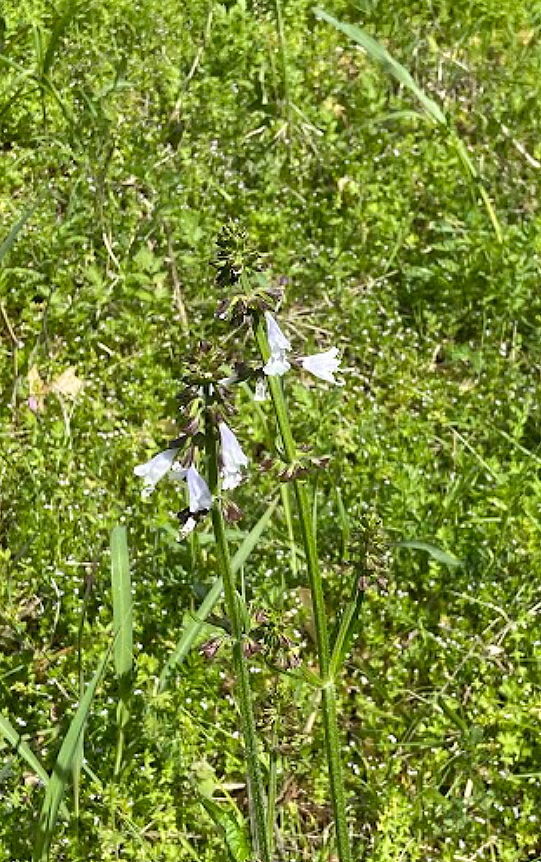
Lyreleaf Sage is rather unusual for a Salvia, featuring evergreen rosettes of lobed leaves adorned with spikes of lavender flowers in mid spring to early summer. This plant is also somewhat unusual for producing self-fertile cleistogamous flowers later in the season that lack the flower tube, or corolla. Lyreleaf Sage is a wonderful perennial plant for edges and borders, and makes a pleasant ground cover. Its flowers are visited by some bees and butterflies, and birds such as mourning doves eat the seeds.
Lyreleaf Sage can be grown in full sun to light shade, and prefers moderate soil moisture. It is not particular about soil texture. This low growing plant doesn’t take well to crowding by taller competing plants. It is a great addition to lightly shaded woodland or meadow gardens. Lyreleaf Sage may readily colonize open disturbed sites like lawns, where infrequent mowings remove competing vegetation and spread seeds.
Local Ecotype
Perennial
Full sun to part shade
Moist to medium
6-18” tall
Blooms in spring
Lyreleaf Sage is rather unusual for a Salvia, featuring evergreen rosettes of lobed leaves adorned with spikes of lavender flowers in mid spring to early summer. This plant is also somewhat unusual for producing self-fertile cleistogamous flowers later in the season that lack the flower tube, or corolla. Lyreleaf Sage is a wonderful perennial plant for edges and borders, and makes a pleasant ground cover. Its flowers are visited by some bees and butterflies, and birds such as mourning doves eat the seeds.
Lyreleaf Sage can be grown in full sun to light shade, and prefers moderate soil moisture. It is not particular about soil texture. This low growing plant doesn’t take well to crowding by taller competing plants. It is a great addition to lightly shaded woodland or meadow gardens. Lyreleaf Sage may readily colonize open disturbed sites like lawns, where infrequent mowings remove competing vegetation and spread seeds.