Local Ecotype
Large tree, to 100’
Full to part sun
Moist to dry soils
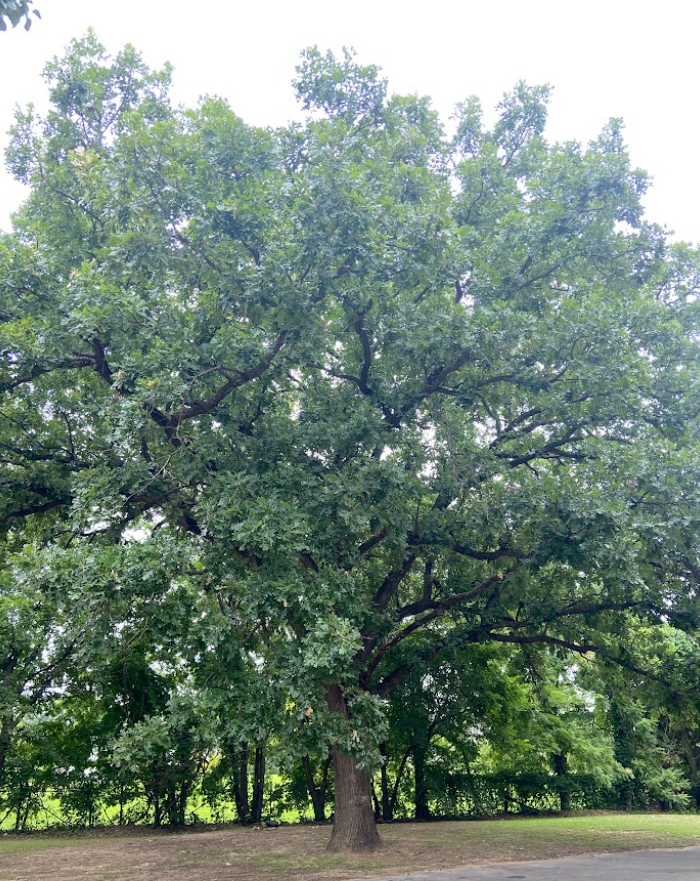
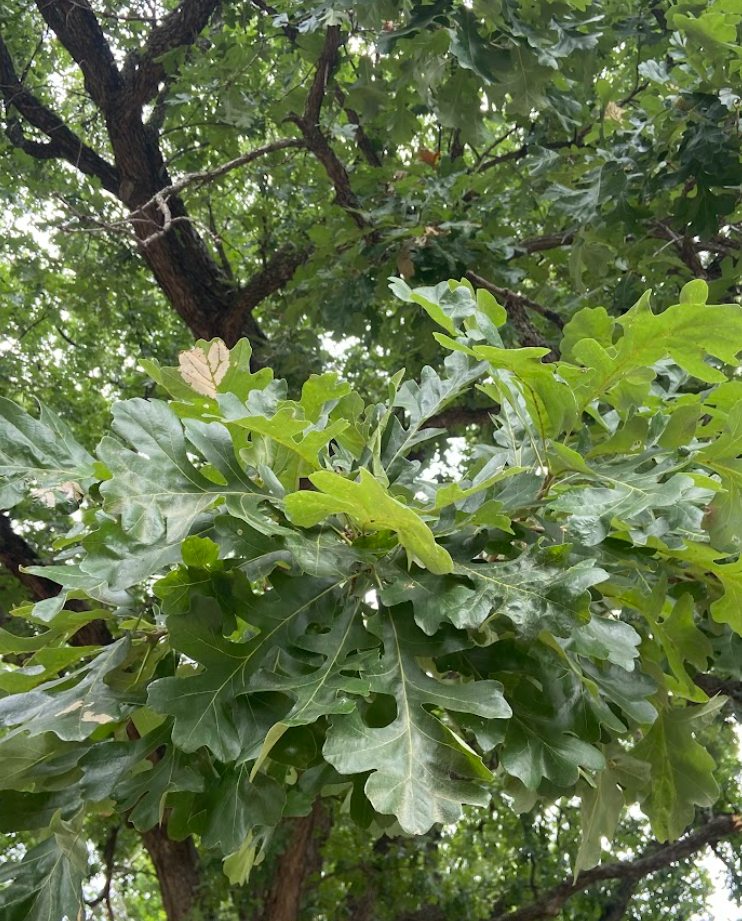
The Bur Oak is a large, magnificent oak of bottomland forests, and may reach more than 80 feet tall. The species epithet ‘macrocarpa’ is Latin for “large seed”, and the Bur Oak indeed has the largest acorns of our native oaks, covered in thick, tasseled caps. These large acorns are an important food source for wildlife, feeding squirrels, deer, turkey, and other game. Bur Oak is in the white oak group, and the large size and low tannin content of the acorns make them suitable for human preparation and consumption. This handsome tree also features lobed, lyrate leaves and thick, ridged bark.
They will adapt to average moisture and soil conditions once established.
Local Ecotype
Large tree, to 100’
Full to part sun
Moist to dry soils
The Bur Oak is a large, magnificent oak of bottomland forests, and may reach more than 80 feet tall. The species epithet ‘macrocarpa’ is Latin for “large seed”, and the Bur Oak indeed has the largest acorns of our native oaks, covered in thick, tasseled caps. These large acorns are an important food source for wildlife, feeding squirrels, deer, turkey, and other game. Bur Oak is in the white oak group, and the large size and low tannin content of the acorns make them suitable for human preparation and consumption. This handsome tree also features lobed, lyrate leaves and thick, ridged bark.
They will adapt to average moisture and soil conditions once established.